Showing posts with label natural pregnancy. Show all posts

Sunday, April 3, 2022

Pregnancy Hypertension and Preeclampsia

Disclaimer: Please remember, I am not a medical doctor, or any sort of medical professional. This blog post is intended to provide food for thought, not to diagnose or treat anyone. The opinions expressed below are mine, gleaned from 11 natural pregnancies and deliveries (including 9 midwife-assisted home births), as well as my current 12th pregnancy at age 43.

I have had five babies in my 20s, five babies in my 30s, and am currently on my second pregnancy in my 40s. While I was a lot younger and more energetic two decades ago when my oldest were babies, the benefits now are that I a) have older helpers and better resources, and b) have learned a lot about pregnancy and childbirth throughout the years. 

One of the things I have thankfully never struggled with is high blood pressure, during pregnancy or otherwise. However, due to a congenital defect with my right ureter, I have a tendency to develop kidney pain and kidney infections if I am not very diligent in preventing them, especially during pregnancy when baby cramps my organs. Thankfully, I have always successfully treated these issues with alternative remedies, without them getting to the point where they negatively impacted my blood pressure. This post is to sum up what I have learned, and what I believe has helped me keep my blood pressure in the low normal range all these years, even as my "advanced maternal age" puts me at increased risk of developing gestational hypertension (and in spite of having teenagers - ha!). 

According to the CDC, in the United States, high blood pressure happens in 1 in every 12 to 17 pregnancies among women ages 20 to 44, and high blood pressure in pregnancy has become more common.

Officially, there is no known cause of preeclampsia, and no known cure except delivery of the baby in extreme cases, no matter how premature the infant might be. The main symptoms are high blood pressure, protein in the urine, persistent headache (may or may not be accompanied by changes in vision such as seeing spots), and swelling of the hands and feet. Please note: some swelling can be normal, or a sign of less dangerous conditions such as dehydration. Swelling in the face is often a sign of an extreme case of preeclampsia, a medical emergency. 

No doubt about it, preeclampsia (pre-e) is a very dangerous condition that cannot be left unaddressed. Where I diverge from the mainstream medical opinion is that there is no known cause, or cure. Nothing happens for no reason. And if we find out the reason, we can then counteract it.

It is widely accepted in the medical community that kidney disease can cause high blood pressure. I am convinced that high blood pressure in pregnancy likewise comes down to diet and the kidneys, and how well they are able to function. The kidneys are tasked with filtering waste products from the blood stream and retaining nutrients. When they are unable to do so (or do so fully) due to being overtaxed, blood pressure goes up. 

In particular, I believe the three main culprits that negatively affect blood pressure during pregnancy to be: 1. dehydration, 2. not consuming enough protein, and 3. undiagnosed urinary tract/kidney problems


1. Dehydration


This is pretty common in pregnancy, especially in warmer climates, or during the summer. Hence the common swelling of legs and feet, without it being a medical concern. Dehydration itself is unlikely to cause pre-e, but it can be a contributing factor if your diet is off, or if you are already having UT/kidney issues. 

Having lived in Arizona for 16+ years, where we typically have 6 months or more of temps above 100 degrees F, I can assure you that a) water is not enough to hydrate the human body and b) salt is NOT the enemy, and is actually vitally important in maintaining electrolyte balance and hydration. 

Mainstream medical advice for moms with swelling or pre-e is to cut back on salt. If we were talking about the sodium found in pre-packaged and junk foods, or snow-white (i.e. nutritionally empty) table salt, this might be true. However, a quality high-mineral salt is essential for maintaining electrolyte balance and hydration. 

To combat dehydration, you should:

- Stay away from any caffeinated beverages, since they have a dehydrating effect by increasing urine output. Every one cup of caffeinated beverage must be offset by at least two cups that aren't. Caffeine also raises blood pressure. 

- Drink plenty of herbal teas that are hydrating AND safe during pregnancy. If you don't care for the flavor of these, they can be greatly diluted and still remain effective. My favorites are rooibos, pregnancy tea, and special tea blends for UTI health (more on this later). You can also try drinking coconut water (blergh), or eating high-water, alkalizing foods such as melons and cucumbers. 


- When drinking water, always add something to make it more hydrating, such as: sliced cucumber, fresh mint, berries, lemon slices, ginger, a splash or apple cider vinegar or juice, or whatever else sounds good. I literally go nine months without ever drinking just plain water.

- Salt food to taste with a high-mineral salt. If the salt is white, it's worthless (even if its labeled "sea salt" or something like it). My personal favorite for many years has been Redmond's Real Salt. "To taste" looks different based on individual factors. Here in Arizona, we salt our food to crazy levels. When we first moved here, it blew my mind how much salt the locals were using, but we have since acclimated. Many out-of-state visitors become heat sick when visiting here and going out during the heat of the day, if they don't start using considerably more salt than they are used to. Do reduce sodium from ready foods such as frozen meals and fast food. 


- There are commercial electrolyte solutions on the market. Many of these contain zero-calorie sweeteners that I personally avoid, but organic Gatorade (both powdered and ready-bottled) can be very helpful. 

- Take an epsom salt bath after a particularly hot day, or if you weren't able to stay as hydrated as you would have liked to be. 

- If your ankles do swell, rest lying on your left side while increasing fluids / electrolytes. If all else fails, this trick is sure to get your ankles back: Add a shredded zucchini to a medium-sized saucepan, add water to cover, and steam on low-medium heat for 15 to 20 minutes. Strain out the zucchini, and drink the zucchini water. Not very tasty (THAT'S an understatement!), but super effective at reversing any swelling of your ankles or hands. 

- If the dehydration is due to an acute medical event such as food poisoning, which prevents you from taking in fluids by mouth, you may need to have IV hydration therapy. Thankfully, there are now many services available where a medic will come to your home and do this, no need to go the hospital. I recently had to do this after getting norovirus while already dealing with first trimester morning sickness. Fun times!


2. Not consuming enough protein


I would consider this one of the two biggest culprits behind pregnancy hypertension and pre-e. Ironically, one of the warning signs of pre-e is having protein in the urine, which might lead one to believe that the expectant mom is getting an excess of protein, but quite the opposite is actually true. It means that the pregnant mom's body is cannibalizing her own protein stores (muscle tissue) to provide the baby with protein, which is then excreted in the urine because the kidneys are overtaxed.

Research in recent times is confirming what the Brewer Pregnancy Diet, developed several decades ago by Dr. Tom Brewer, has been saying all along: a diet high in protein (at least 80-100g of protein per day for a singleton baby) greatly reduces the chances of developing pre-e, by providing the expectant mother with this vital nutrient, and preventing the cannibalization of her muscle tissue and overexertion of the kidneys. 

Please note: high protein does NOT equal low-carb. The Brewer Diet also focuses on healthy carbs and other nutrients in the correct balance. Since this approach to pregnancy nutrition has an excellent track record spanning many decades, I will not go into detail here, but all the information is available on their website and countless other online sources. 

If you have never actually added up how many grams of protein you are consuming in a day, chances are, you are not getting the recommended 80-100 grams daily. By contrast, the mainstream recommendation for "sedentary" adult women who are not expecting is just 46g of protein per day! Of course, such protein deficiency is often made up for with excess carbs, which increases the other major culprit behind pre-e (discussed in point 3 below). 

In a nutshell, according to the Brewer Diet, a pregnant mom should be consuming the following each day:

4 servings of milk or milk products

2 eggs any style

6-8 servings (about 1 oz each) protein sources

2 servings fresh, dark green vegetables

5 servings of grains

2 servings of vitamin C foods

3 servings of healthy fats

1 serving of vitamin A foods

at least weekly: liver

salt to taste

unlimited water


Their website gives ideas for foods in each of these categories. Please note also how the Brewer Diet is very much in support of salt being vitally important, and advises against restricting salt intake. 

If lack of protein is the culprit, then a high-protein diet of even just a few days if often able to reverse symptoms of pre-e. Sadly, when moms are hospitalized for monitoring due to high blood pressure, they are often fed hospital food that exacerbates their symptoms, due to the lack of high-quality proteins (what hospital serves steak?!), a focus on cheap carbs (such as the ubiquitous cup of jell-o), and likely a restriction on salt intake. If you do have to go to the hospital, always have your own food brought in. 

Important caveat: If you have run the numbers, and are confident that you are already getting the recommended 80-100 grams or more of protein each day, please do not increase your protein consumption, and instead read on below. In the case of point 3 being the culprit, increasing protein could actually further diminish kidney function. 


3. Undiagnosed urinary tract / kidney problems

Urinary tract infections (UTI) are very common during pregnancy. If left untreated, the bad bacteria can work its way all the way up to the kidneys, and lead to reduced kidney function, or kidney infection. While any OB or midwife will regularly check the urine for such bacteria, they might not address the issue unless the patient complains of symptoms, since some amount of bacteria is fairly normal, and the standard treatment approach (antibiotics) should be avoided whenever possible, especially during pregnancy. Many moms might ascribe the symptoms of a UTI to pregnancy discomforts such as ligament pain or a tender cervix, or might in fact not experience any symptoms at all in spite of having quite a high bacterial load. In any case, regular preventative maintenance in this area is always a great idea for women, but even more so during pregnancy, when the kidneys need and deserve extra attention.

Compromised kidney function is very likely a major contributing factor to developing pre-e. Increasingly, even mainstream medicine is acknowledging the possible connection between UTIs and pre-e. The kidneys are filters that clean the blood. When they are unable to do so, or do so sufficiently, blood pressure goes up. 


If you have run the numbers and are confident that you are getting at least 80-100 g of protein per day (with a singleton), and yet your blood pressure is high, or you have excessive swelling, or there is protein in your urine, ask your doctor or midwife about checking your urine for bacteria indicating a UTI. Even if the levels are low, start by addressing the urinary system. 

Start with the least invasive / aggressive measures, and work your way up if your symptoms are not improving, or worsening. Chances are, if your UTI were severe or you had an actual kidney infection, you would be well aware of it, and your doctor or midwife would have noticed. Thus, if your only symptom is high blood pressure and the presence of some bacteria, then the milder treatment approach will prove effective enough. 


As a preventative maintenance:

- Stay well hydrated (see point 1 above).

- Avoid sugary drinks, which feed bad bacteria, especially in combination with caffeine. 

- Wear only cotton or other natural fiber underwear, and avoid synthetic fabrics such as nylons, spandex leggings, etc. that create a moist, warm environment in which bacteria thrive. Avoid any clothing that is tight/restrictive in the area between the rib cage and the pelvis (i.e. waist, lower back). 

- Always empty your bladder before and after intercourse. The reason behind this is that many men carry bacteria without experiencing a UTI, because their urethra is longer than that of women, and the bacteria may never make it to the bladder. However, this bacteria does come out along with semen during intercourse, and can then make its way into the woman's urethra, from where it is only a short distance to the bladder. Hence the tongue-in-cheek term of "honeymoon disease" for cystitis/UTI. Moms, please be sure to teach your daughters about this prior to marriage. It is amazing how many young brides go into marriage clueless in this area, and suffer needlessly. 

- Always wipe front to back, and teach this to your daughters when they are potty training. 

- Consider making herbal teas formulated specifically for urinary tract health part of your daily beverage intake if you tend to get dehydrated, or easily develop UTIs or kidney problems. One common culprit during pregnancy is that the growing baby puts pressure on the ureters (the "tubes" taking urine from the kidneys to the bladder). Urine backs up into the kidneys, where the swelling causes pain that often persists (like a bruise) even after the kidneys have had a chance to drain. There are also congenital factors that can make these tubes less efficient at carrying urine from the kidneys to the bladder. 

- Sleep in a side-lying position at night, alternating sides each time you wake up, to make sure both kidneys get a chance to drain well even if a baby is cramping the urinary system. Take 10-15 minutes per side in the daytime to lie down, put your legs up, and relieve the pressure on your kidneys. 

As treatment for UTI, do all of the above, plus:

- Instead of taking antibiotics, consider using natural remedies, such as D-mannose (the active ingredient in cranberries) and/or drinking water with 1/2 to 1 tsp of baking soda added, several times throughout the day. Both of these change the pH of the urine, making a hostile environment for the bacteria, which is then flushed out of the system (hence the importance of staying hydrated). D-mannose powder is flavorless if not a tad bit sweet. It dissolves easily in cold water, and is therefore a perfect remedy even for young children that may be unable to swallow capsules, or balk at taking medicines with off-putting flavors. My trick for taking baking soda without having to drink baking soda water is to fill empty size 00 gelatin capsules with baking soda, and take them with water like any other capsule. They will dissolve in the stomach within minutes, and be just as effective without having to drink nasty baking soda water. 

- Take a bath with baking soda added to the water (plus Epsom salt for hydration if you like). The baking soda will give instant relief. Depending on the size of the tub, add about 1/2 to 1 cup baking soda to a full bath.  

- Cut out sugar and refined carbs as much as possible, and add foods rich in vitamin C. You can also add a good vitamin C supplement. 

- Always check with your doctor or midwife before starting supplements if you are expecting, to make sure they are safe during pregnancy. One supplement I always keep in stock is Solaray brand Kidney Blend. It is extremely effective and fast-acting both for UTIs as well as kidney infections. 

- Drink large quantities of teas specifically formulated for kidney/urinary health. These will typically contain uva ursi, cornsilk, marshmallow root, and other herbs known for being helpful in this area. One very inexpensive, highly effective remedy is to steep cornsilk (the "hair" on a cob of corn) and steep it in hot water just like tea, and then drink it. 

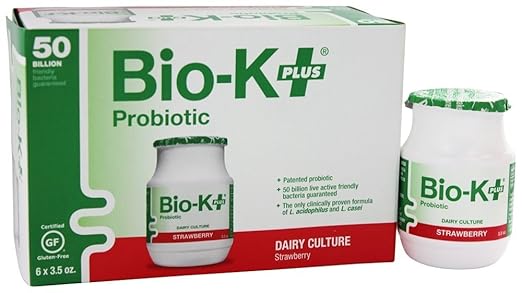
- Add a high-quality probiotic supplement. Probiotics are living cultures. Consequently, most probiotics sold at room temperature are dead and ineffective. Some brands use more reliable freeze-dry methods, but still don't come close in effectiveness to fresh, refrigerated probiotics. Thus, this is not an item you want to purchase on Amazon, or a big box store, but rather at your local health food store, which will typically have a small refrigerator in the supplements section where they keep such probiotics. My favorite brand is Bio-K plus drinkable probiotics. A half bottle per day is plenty for most acute urinary issues. If taking antibiotics, a full bottle per day (split into two portions off-set from the antibiotics) is an appropriate dosage to prevent many of the negative side effects associated with antibiotics. 

- Continue the above treatments for several days after symptoms subside, to make sure all bad bacteria has been sufficiently eliminated, to prevent a relapse. 

As treatment for severe UTI or kidney infection, do all of the above, plus:

- Cut out all foods except proteins (meat, eggs) and non-starchy vegetables. 

- Every two hours, drink one quart of uva ursi tea, alternating with one quart of filtered water every two hours (so one quart of either tea or water every hour). To steep the uva ursi tea, drop 4 teabags into a quart of freshly boiled water. Cover, and steep for 10 minutes. Remove the tea bags, and drink as hot as you are able to. 

- You will likely see great improvement of your symptoms (kidney pain, lower back pain, pain while urinating, limited urine output, cloudy urine, etc) within 24 hours. Continue treatment for at least three days to make sure the bacteria has been sufficiently eradicated, before scaling back to the less aggressive methods in the previous point. Continue some form of treatment for several days after symptoms subside to prevent a recurrence. 

- As bad bacteria die off, they release toxins that cause headaches. Expect these to start within 24 hours of this aggressive treatment, and persist for the first 72 hours. With your midwife's or doctor's approval, Tylenol is considered safe during pregnancy and can help if the headaches are severe. 

Side note: Once-daily, low-dose aspirin has proven very effective at preventing pre-e, because it thins the blood and keeps things moving along (again, helping the kidneys do their job more effectively). Overall, the long track record of aspirin makes this a very low-risk drug to take regularly, even during pregnancy. In fact, moms over age 35 are almost universally advised by their doctors to start daily low-dose aspirin as they enter the second trimester, just as an effective prevention of pre-e. This treatment approach might be especially advisable for moms with a history of pre-e. Also, a more current issue is contracting COVID during pregnancy, which increases the risk of blood clots, the chances of which are also reduced by taking aspirin with its blood-thinning properties. Please speak to your doctor or midwife if any of these scenarios (previous case of pre-e, advanced maternal age, COVID during pregnancy) apply to you, and ask if daily low-dose aspirin would be right for you. 

Once kidney function is fully restored, and the kidneys are given the extra care they need during pregnancy, combined with an overall healthy diet (including plenty of protein as well as mineral-rich salt) and proper hydration, you can expect your blood pressure to return to and remain in the normal range. 


Thursday, October 17, 2019

Birth announcement

Eva Rose was born healthy and safe on Sunday, September 22nd, at 10:35 a.m. weighing 7 lbs 10 oz and measuring 20 in. You can listen to me tell her birth story here.

We chose her name "Eva" in keeping with the Biblical theme for first names, picking a new first initial for each child. "Rose" is in honor of both of my Grandmas, who went by the German and Hungarian equivalents of that name.


 The weight shown on this board is slightly off... mommy brain... eek!


Eva has been a very sweet, easy, mellow baby. She has been smiling from Day 1! She is also a great nurser (no tongue tie - yay!).

To see more updates, please visit us on Facebook, Instagram, or YouTube.


Tuesday, January 23, 2018

Birth announcement and story (and pictures!)

We are thrilled to announce the safe arrival of Peter László Anderson!

Peter was born last Monday, January 15th, at 10:11 p.m. weighing 8 lbs 1 oz and measuring 21 inches. 


Birth story below. Please do not read on if blood and guts make you queasy.


Wednesday, January 10, 2018

Links to my most helpful hyperemesis/morning sickness/NVP blog posts and remedies

I have had ten full-term pregnancies, and suffered from hyperemesis with the first 7 of them.

Slowly, over time, I learned more and more things that helped me not only survive, but go from nausea 24/7 and throwing up 20-30 times per day from weeks 6-20 to zero throwing up with nausea for about 2 hrs out of every 24 hrs from weeks 8 to 12.


Below are links to what I consider my most helpful and information-packed blog posts on this topic, starting with the oldest and going to the most recent. If you have time, I suggest you start at the top and read your way down, to follow the progression of things I have learned.

If you are in urgent need of the most recent info, start at the bottom and read your way up.

I hope this helps other suffering moms. There IS hope!


The Cause and Cure of Morning Sickness and Hyperemesis Gravidarum (November 5, 2013 - pregnancy #8, first non-hyperemesis pregnancy)

Relief for Morning Sickness and Hyperemesis Gravidarum (January 17, 2016 - pregnancy #9, second non-hyperemesis pregnancy)

Whole grains, folic acid, MTHFR, and morning sickness (September 7, 2017 - pregnancy #10, third non-hyperemesis pregnancy)


Not cure related, but might be of interest:

Severe morning sickness (May 27, 2010)

Hyperemesis gravidarum and being open to children (March 17, 2011)

And a great hyperemesis blog with much more info and experiences from other moms: 

The Whining Puker

Thursday, September 7, 2017

Whole grains, folic acid, MTHFR, and morning sickness

I had promised in my previous post about whole grains that I would share about one other, huge improvement I had noticed since cutting whole grains out of my diet. That last post dealt with dental decay caused by demineralization, in turn caused by whole grains.

Today's post will focus on morning sickness and hyperemesis, and how whole grains play a part in that, as well as the role of folic acid and MTHFR gene mutation. I believe these to be the final pieces in the puzzle of solving the morning sickness mystery for me.


21 weeks pregnant

Hyperemesis is a topic I am sadly all too familiar with, having been pregnant more than a dozen times and suffering miserably through the majority of those pregnancies. You can read a detailed account of my hyperemesis history here, but I'll give a brief recap:

I have suffered varying degrees of severe morning sickness (NVP) to hyperemesis (HG) with all of my first seven full-term pregnancies. 

By the time I became pregnant with what is now my 8th child in 2013, I had made a major breakthrough in finding a connection between gut health (more specifically H.pylori colonization) and NVP/HG. By aggressively going after the H. pylori and consuming foods that build gut health, I went from throwing up 20-30 times per day with my first seven pregnancies, to only throwing up a handful of times per pregnancy with #8 and #9. In addition to the handful of times I threw up, I did also have all-day nausea, but it was manageable and I was able to keep up with my daily responsibilities as a mother of a large family (cooking, shopping, homeschooling), which in the past had been near impossible to accomplish during the first three months. Going from hyperemesis to 'only' all-day manageable nausea with minimal throwing up was a HUGE improvement!


During my pregnancy with baby #9 in 2015/16, I stopped using all wheat, even though I had only used non-GMO, organic varieties for years by that point. When I say 'wheat', I mean the grain wheat, as opposed to rye, barley, oats, etc. In the US, whole wheat is often confusingly referred to as just 'wheat' as in: would you like wheat or white, when in fact both are made from wheat (one from all-purpose white flour, one from whole grain flour). I had noticed that during pregnancy, eating wheat became an asthma trigger for me, when I had never before suffered from asthma. I also would get an angry rash on my forearms anytime I ate wheat. Since I then noticed that wheat was also an asthma trigger during allergy season for two of our kids with seasonal allergies, I stopped using it for our entire family. All modern wheat, over time, will cause damage to the gut due to the compromised gluten found in it. So even the kids who were not yet showing symptoms, would still compromise their health over time. All wheat grown after the middle of the 19th century is heavily hybridized and genetically compromised as a result. More on that in another post. 

Not willing to give up our 'daily bread,' and knowing that bread in and of itself is a good food the Bible speaks highly of, I instead switched to using only einkorn for our family, mostly in the form of sourdough. Einkorn is an ancient form of wheat that has not been cross-bred, and only has 14 chromosomes instead of 42 like modern varieties (which are accompanied by a far greater and more harmful array of those pesky glutens).


While I used both whole grain einkorn as well as all-purpose (white) einkorn flour for the first year, I stopped using the whole grain in 2016 after making the connection to tooth decay resulting from the phytic acid in whole grains. I had at this point already been using mostly sourdough, but the souring was clearly not doing the trick in breaking down the phytic acid. Supposedly, soaking grains, sprouting them, and/or making them into sourdough greatly reduces those harmful anti-nutrients like phytic acid. Not only was this 3-step process too much bother for me since I get the nutrients found in whole grains from plenty of other sources in my diet, but I also did not want to take a chance and ingest any phytic acid if I could help it. Even as a whole grain, einkorn is naturally lower in phytic acid than modern wheat, but I wasn't taking any chances. I knew our teeth were a reflection of our bone health, and seeing how much cutting out whole grains had completely improved our teeth, I was ready to kiss them goodbye for good, sourdough or not. 


The only major differences between my current pregnancy (#10) and the two previous 'good' ones (#8 and #9) was that 1) I switched to einkorn, and that 2) I cut out any and all whole grains (even brown rice, whole oats such as rolled or steel-cut, etc. I do still use some quick oats because they are precooked and dried to make them 'quick cooking,' which greatly reduces their phytic acid content) and 3) I had stopped taking prenatal vitamins about 6 months before becoming pregnant.

The result? This is huge! This has bee my best pregnancy yet, by far! I only felt nauseated for a total of approx. 2 hours per 24h period from weeks 8-12, typically only if I waited too long between meals or got too tired. I only threw up 2 or 3 times this entire pregnancy, and I think it was always after getting too hungry, and then eating too much, too fast. I felt so good, I didn't even know or suspect I was pregnant until I was almost 8 weeks pregnant - in the past, being miserably sick had been one of my first signs of pregnancy. 

Between the three points above, point 1) switching to einkorn is just an amplifying factor to point 2) cutting out whole grains as well as point 3) because the einkorn flour I use has not been 'fortified' with synthetic B vitamins.


On cutting out whole grains:


Don't despair if you are not ready to switch to einkorn (it's expensive and a huge pain to learn to bake with), just cutting out whole grains will most likely do the trick for you and greatly reduce HG/NVP. If you do want to give it a try, Jovial Foods has a 20% off sale on their flour (and all other products) right now through Sept. 8th with coupon code BACKTOSCHOOL. I have never seen them offer a discount like that before, so don't miss it! I like to buy 2 or more of the 10 lb bags of all-purpose flour, which brings down the price. With the 20% off, it is only $24 per bag (or $2.40/lb, about $1/lb cheaper than at the store).

Why would whole grains have anything to do with morning sickness? Again, I blame phytic acid. It is an antinutrient that must bind to minerals it leeches from bones and teeth in order for the body to be able to rid itself of it. Minerals like calcium and magnesium, which go 'hand in hand'. While calcium deficiency leads to to tooth decay and loss of bone density, being deficient in magnesium is a major aggravating factor for morning sickness. Mommypotamus has blogged on this connection. 

I knew from past experience that in addition to the gut-healing measures I was taking, using topical magnesium spray and taking Epsom salt baths would bring a measure of relief for my morning sickness. But just the spray and baths alone were a drop of water on a hot stone for me. Eliminating the root cause of being magnesium deficient (whole grains) brought a whole new level of relief and normalcy to my pregnancy.

By the time I found out I was pregnant, I had been following Weight Watchers and tracking all my food daily for 9 months. Part of the program includes eating lots of fresh produce, lean proteins, and healthy fats. I knew I was getting the best possible nutrition for myself and baby from that in spite of not eating whole grains. The main benefit of whole grains is fiber and vitamins, all of which I was getting plenty of in the form of fresh, abundant produce.


I have learned that anytime the USDA or FDA widely promotes and touts health advice (such as fake fats, fake sugars, low salt, fluoridated water, vaccines, and yes, whole grains) we should take a second look and investigate if their advice is really intended to promote public health. 


On not taking folic acid in the form of prenatal vitamins:


By the time I found out I was pregnant, I had for months NOT been taking my usual whole-foods-based, raw, natural prenatal vitamin because it made me nauseated. I felt confident I was getting everything I needed from my diet of abundant, fresh produce, grass-fed meats and dairy, healthy fats, etc. 

As a result, this has been my first pregnancy in which I have not taken any multivitamin supplements for months before becoming pregnant. Ironically, I have never felt better with any pregnancy, and I have not had the severe charlie-horse muscle cramps I would get during previous pregnancies if I forgot to take my daily calcium-magnesium supplement. Clearly, I am no longer deficient in these minerals (thanks to no whole grains), and actually feel nauseated if I try to supplement with more.

Why could prenatal vitamins contribute to morning sickness? I am not certain on this, but have been reading a lot in recent years about the MTHFR gene mutation. It is suspected that 1 in 3 people have this mutation. Those who are affected by it are unable to absorb folic acid and convert it into folate, which is what food naturally contains and what our bodies need. This is a great introductory article on the topic of folic acid and MTHFR. You can search google for a ton more info.

Unfortunately, most vitamins contain folic acid, not folate. Grains, cereals, and flours that are 'enriched' are full of synthetic folic acid. Not only does this not do any good to those with the gene mutation that prevents them from converting this into folate, it actually does them harm as the folic acid blocks their folate receptors, making it impossible to absorb even the folate they are naturally getting in their diet.

I have not been tested for the MTHFR gene mutation, but suspect I might have it. By removing all sources of folic acid from my diet (in the from of vitamins, fortified grains, cereal, 'enriched' flour, ready bread products etc.), and instead consuming lots of fresh foods that are natural sources of folate and only eating breads made from non-fortified einkorn flour, I am no longer deficient in this vital nutrient. It has long been known that being deficient in B vitamins (including folate) is a major contributing factor in morning sickness.

Interestingly, I have been craving the following folate-rich foods with this pregnancy: arugula, asparagus, Brussel sprouts, avocados, tangerines, beets, peppers, beans (soaked), lemon water, and the like.


Side note: the prenatal vitamin I was taking is labeled as containing 'folate' (not folic acid), but I don't know that I believe that. It made me feel sick just as folic acid does, so maybe their labeling is somehow deceptive.* Or maybe only folate from fresh food sources can be absorbed by people like me. In any case, I'm done taking it. 

Edited to add: One of my readers on Facebook commented that while Garden of life prenatal vitamins start out with folate, the way it is processed converts the finished product to folic acid. That would explain why they did not agree with me, in spite of being labeled as containing 'folate'.  

Another side note: As far as gut health during this pregnancy, I found no improvement from taking cocolaurin. During weeks 9-12, when I was nauseated for about 2 hours each day, I added sauerkraut or kombucha to most meals, and took capsules of baking soda (about 1/2 tsp, 3-4 times per day) to combat h. pylori. A couple of times, I followed the baking soda with some colloidal silver. This was enough to keep the h. pylori and nausea well under control, so that I did not need to supplement with any other gut-fortifying or cleansing supplements.


So there you have it - the end of my journey from hyperemesis, to nausea, to near-normal, all through adjusting my diet. It has only taken me 16 years and 15 pregnancies to figure this out and share my anecdotal experience with you. Please remember, I am not a medical professional, only a clueless stay-at-home wifey and mother who has gone from feeling like I was dying to enjoying even the first trimester of pregnancy.


In a nutshell, my advice for those suffering from hyperemesis or morning sickness is to:

1. address gut health (specifically h. pylori)
2. remove antinutrients like folic acid that leech the body of vital minerals
3. consume plenty of B vitamins, especially folate, in the form of fresh food.

I will do a follow-up post soon that puts all the puzzle pieces in one spot, summing up all my HG and NVP resources in one post, with links to all previous posts, for easy reference.


Wednesday, July 5, 2017

New Baby on the way!

Regular readers will not be shocked to hear that we are expecting another little one! :) This makes Baby #10 on earth - double digits! 

 Nine week ultrasound - yes, there's only one!


I am currently 12 weeks pregnant, with a due date of mid-January 2018. That will make five babies in my 20s, and five babies in my 30s. Who knows what my 40s will bring?!?

Anna's 'family'


Now for the million-dollar question: How am I feeling? In a word: fantastic! This has been my best pregnancy by far. It has only taken me almost two decades to figure out how to overcome hyperemesis! I will do a detailed blog post on what new improvements I have discovered this time around.


And now for a fun little fact that was entirely unique about this pregnancy: I did not know I was pregnant until I was almost 8 weeks along! (TMI coming, so stop reading now if you don't want to know) When I was 4 weeks pregnant, for the first time ever in 15 pregnancies (five of which ended in miscarriage), I had a cycle after becoming pregnant, at the exact time that cycle would normally have been due. It was a little lighter and a day shorter than a normal cycle, but I thought nothing of that because the difference was so minor and I was still nursing Chloe every few hours. Just before my next cycle was due, I had a few days of nausea that felt an awful lot like morning sickness. I took a cheap little Dollar Tree test in the middle of the afternoon a few days shy of 'being late'. Normally, only the super sensitive early pregnancy tests show up for me, if taken first thing in the morning, after I am a couple of days or more late. The fact that this cheap test, taken in the afternoon, days early, came back BRIGHT and BOLD positive was a first for me. Plus, my morning sickness does not start quite that early. I knew this could only mean that 1. there was more than one baby in there, or 2. I was farther along than I thought. It was at this point that I remembered my previous, lighter than usual cycle and the penny dropped. I did go for an ultrasound the following week just to make sure of dates and rule out multiplicity, both of which it did. 


In spite of having done it so many times, pregnancy is still not my cup of tea. Being four weeks further along than I usually am when I found out was a huge bonus, because I find every day of being pregnant a chore. Babies are a blessing, no doubt about that, but I think pregnancy and birth are part of the curse. It's definitely not the wonderful, magical time my romantic brain imagined it to be as a child. With this pregnancy being so much better in regards to nausea, I actually did for the first time ever almost enjoy the first trimester. I only felt despondent for one day, when nausea and fatigue coincided with a day that my little people were all sick and throwing up. In bed. In the middle of the night. Yeah, that was rough... Thankfully, my big boys volunteered to do all the cleanup and laundry the next morning.

I was able to stay active and go bike riding with my husband many evenings. I was able to eat sensibly and healthy and only gained a couple of lbs during this time, compared to the typical 15 lbs in the first trimester alone as the only way to stave off nausea in previous pregnancies was to munch on something non-stop. I was down to being within 6 lbs of my Weight Watchers free lifetime weight when I found out I was pregnant, and no longer allowed to go to the meetings (they do not allow pregnant members). Needless to say, I didn't want to undo much of my hard-earned progress in a matter of weeks. 

Size M maternity clothes for the first time since my first pregnancy? - Yes please!


The other kids are excited. They could hardly keep from spilling the beans to their friends before we were ready to announce it. 


Cute little Boaz in church

Enjoying some cereal on the sofa with me on a particularly tired day. 


I'm hoping for a little sister for Chloe. It would also settle the score of five boys and girls each. Plus little girls are just the sweetest!


Sunday, January 17, 2016

Relief for Morning Sickness and Hyperemesis Gravidarum

Disclaimer: I am not a medical professional. Please do your own research, and consult with your health care provider. This post is purely informational.   

When I published my original blog post, "The Cause and Cure of Morning Sickness and Hyperemesis Gravidarum," I started out by saying that my hope was that if people only ever read one post on my blog, that would be it. This hope of mine has come true, as that post is by far the most popular one on my blog, with hundreds of thousands of views. I am thankful for those who have written and said how much it helped them, as well as for other bloggers and writers online who continue to promote it on their websites and social media. Please, PLEASE keep spreading the word!

If you have not yet read it, please do so right now before continuing with this blog post. It will just make more sense that way, as everything I am about to share here will refer back to crucial info in that original post

I wanted to share an update on how I managed to deal with the morning sickness this time around, what worked, and what did not, in hopes of helping other mothers that are suffering.

First off, I just want to say that I am absolutely convinced of my original assertion, that any degree of nausea and vomiting during pregnancy (NVP), from mild morning sickness to severe hyperemesis gravidarum (HG), ultimately goes back to infection/colonization with the heliobacter pylori bacterium. 

I am not a medical professional, but I am a mom who is currently expecting her 9th child, and who has experienced varying degrees of morning sickness or hyperemesis with all of my pregnancies:


1st (Solomon) - severe HG until about 14 weeks, lost 12 lbs during that time
2nd (Isaac) - moderate NVP until about 14 weeks
3rd (John) - severe HG until about 16 weeks, injections with B vitamins
4th (Miriam) - extreme HG until about 18 weeks
5th (Rebecca) - moderate NVP until about 14 weeks
6th (Anna) - severe HG until about 20 weeks, some NVP until delivery
7th (Stephen) - severe HG from about week 8-12, moderate NVP for weeks 6-8 and 12-16
8th (Jachin and Boaz) - mild NVP until about 16 weeks*
9th (current) - mild NVP until about 14 weeks (I was nauseated 24/7 for weeks 7-12, but only threw up a handful of times, and was still fully functional in all areas of life)


 *Considering the fact that this was a twin pregnancy, which typically doubles the symptoms of morning sickness, it was a huge improvement to go from severe HG with the previous pregnancy to mild NVP with that one. We did lose one of our twins at 20 weeks, which accounts for why I say I am expecting our 9th (living) child.


You can read all about h. pylori and how it relates to NVP and HG in my original post. Some commented saying that it could not possibly be the cause, because they had been tested for h. pylori and been told they didn't have it. There are various ways to test for h. pylori colonization, some of which are more reliable than others. Even so, the tests all have fairly high false-negative results, because the h. pylori is not that easy to track down. If you suffer from severe NVP or HG, I strongly suggest you try the recommendations for addressing the h. pylori, and you are certain to find relief. 

In this blog post, I want to share more ways I have found to combat NVP and HG. In a perfect world, we would all be able to rid ourselves of these horrible bacteria before getting pregnant, but not only is this somewhat difficult to do, it may also be futile as the global colonization rate is about 50%, which makes it highly likely that you would be infected with it once again in a matter of months or even just weeks. 

Also, I am guessing that most people are finding this blog post because they are currently expecting and suffering, so telling them what to do when they are not pregnant won't help much. 

The degree to which the h. pylori will bother you during pregnancy varies greatly from one individual to the next. Some have minor morning sickness, while others are hospitalized with extreme HG. Accordingly, milder treatment approaches may completely do the trick for some, while others would have to aggressively make every effort to keep the h. pylori in check and still experience some degree of nausea. 

In my case, I have never been hospitalized for HG or taken the available drugs, but that was just because I was reserving those as last resort measures if the baby's or my life was in danger, which it thankfully never was. My HG was "only" of the variety where I threw up 15+ times a day, could not drink more than one sip of fluid every 15 minutes, would throw up if I ate anything, and would throw up even more if I didn't, could not tolerate the sight, smell, or mention of any food or most other substances, could not leave the house, any stimulation to any of my senses (light, noise, busy patterns, being touched) would make me start throwing up again, could not perform basic daily functions like showering or talking on the phone without major bouts of nausea, was unable to shop, clean, or cook, and literally wished to die at some point most days. 

I should add here that the idea to keep having babies in spite of this nausea was mine, lest you think my husband is some monster who makes me suffer through this hell on earth for his own pleasure. Husbands of HG wives deserve a special trophy of their own, as it takes its toll on the entire family. In the end, the babies really are so worth it, and I would do it all over again for any one of them.

In addition to the recommendations I made in my original blog post (please click through and read first), here are some more remedies I found helpful this time around:


http://pinkstorksolutions.com/wp-content/uploads/2015/02/new-coco.png


- Cocolaurin: I used the Pink Stork brand Cocolaurin. I first found out about this product when I was offered a free sample at a time when I was not pregnant. I used it anytime there was a stomach bug going around, always with great results. I started taking it regularly (3 scoops, 3 x daily) before becoming pregnant, when I could tell another pregnancy was likely to happen sooner or later.

This product is truly a miracle cure in and of itself. For many moms, this alone will do the trick. You can check out the testimonials from other moms on their website, or you can find other personal accounts like mine on blogs like this one and many others.
Pink Stork sells several other of their products on Amazon, all of which I have tried. My favorites are the ginger peach tea (and that's considering I hate ginger tea), and their new probiotic, but they are all very helpful and work great together. For this pregnancy, since I already had a lot of other supplements on hand, I was only using the cocolaurin and the tea, with great improvement, so don't feel like you have to buy everything if it's not in your budget. You can find the Amazon reviews of their products here
I have shared my cocolaurin with a half dozen other pregnant ladies, and all had some improvement from taking it, many of them even getting complete relief. I will add here that although I have received several bottles of this product for free, I have bought others since then, and that I do not receive commission for recommending this product. It really is just very helpful, and I want others to know about it. 
For me, this time around, just the cocolaurin alone kept the nausea completely bearable until about week 7. From then until about week 12 I also followed the other tricks mentioned below, as well as in my original blog post. From weeks 12-14 I was back to just doing the cocolaurin, and after that, the NVP left completely.  


- Never drinking plain water: Ironically, drinking just water causes dehydration by further diluting electrolytes in the body, which are probably already running low if you have been throwing up. To offset this, I never drank any plain water for almost two months. I would add either apple cider vinegar or fresh lemon juice to my water, or make tea and dilute it heavily. Besides the Pink Stork peach ginger tea, I found the Whole Foods brand rooibos tea and the Trader Joe's mint melange tea the most helpful. Adding a pinch of salt to your beverage of choice makes it even more beneficial. As a funny side note, since Boaz was really starting to talk during this time, he learned to ask for a drink by saying "water tea". To this day, he asks for "water tea" when he just wants a drink of water.  

- Baking soda capsules: If you can stomach drinking baking soda water, good for you! I can't, so I filled my own size 00 gelatin caps with baking soda. During the worst phase of the morning sickness, I would take 3 capsules, 4 times a day on an empty stomach (upon waking, before lunch, before dinner, before bed), followed by 1 tbsp of colloidal silver, and then a meal/snack. The reason for this is that baking soda is great at getting the h. pylori out of all the nooks and crannies of the stomach lining, which is then more effectively killed off by following it with the colloidal silver. 
Also, the baking soda reduces the amount of bile/stomach acid, which for me is a major nausea trigger because I seem to produce way too much when pregnant. 
Please note: While countless women swear by using colloidal silver to alleviate morning sickness, there are no studies proving the safety of colloidal silver while pregnant, leading some to choose not to use it when expecting. Please do your own research and decide what you feel is best for you.

- Manuka honey: This pregnancy was my first time trying Manuka honey. Taking a teaspoonful anytime the nausea started to ramp up really seemed to make a difference. I would take the honey after the above baking soda and colloidal silver combo, just before a meal. It's great to have in the house anytime sickness is going around, too. I first tried one of the more expansive brands I bought online, but later found the Trader Joe's version to be just as effective.


- Probiotics: I love the Bio-K brand liquid probiotics, and took a half bottle of it each morning (after the baking soda/colloidal silver combo, but before breakfast). It's pretty pricey, so I only did this during the worst phase.


- Limiting carbs - or not: This one was sketchy. Some days, I would feel great so long as I stayed away from any and all carbs, following what is known as a VLC (very low carb) or LCHF (low carb high fat) diet. The reason for this is that h. pylori thrives on simple carbs. However, after about 2 days of this, I would become nauseous from a lack of carbs, because my body was needing and craving it for building baby. So for a couple of days, I would feel better eating carbs, even simple ones. For me, the trick was in cycling this off/on every couple of days - enough to give my body the nutrients it needed, but reigning it in before the h. pylori got out of hand. If you are already familiar with the Trim Healthy Mama style of eating, I found that cycling mostly S vs. mostly E days every couple of days seemed to be best.


- Besides foods and supplements, I found it helpful to pursue hobbies that took my mind off the nausea without being overly mentally challenging, such as the currently popular adult coloring books, puzzles, browsing Pinterest, reading, etc. Getting a couple of hours of extra sleep each day also helped, as did just feeling supported by my husband and kids. Finally, my nausea always lifted anytime I got out of town, so I have a feeling our questionable valley air is an aggravating factor for my morning sickness.


Even following all these recommendations, I still felt nauseated 24/7 for about weeks 7-12, and off an on until week 14. However, in spite of a lot of dry heaving, I only really threw up a handful of times during these weeks, which is a HUGE improvement from earlier pregnancies of mine when I would throw up more than a dozen times per day. I was also fully functional during this time, and able to go grocery shopping, cook, continue homeschooling, go to church, and even travel out of state with Miriam during this time. Being able to live a "normal" life makes a world of difference!

At 14 weeks, the nausea up and left for good from one day to the next. This has to do with the placenta taking over its own hormone production for baby, rather than my body having to do it all, so the h. pylori can finally settle down (it is aggravated by hormonal fluctuations, which is why some women experience nausea in the days before their periods start).

I hope this blog post has given you some new approaches for addressing morning sickness and hyperemesis. Please share your comments, advice, or other insight below.


Sunday, November 8, 2015

Our family is growing!

I'm not going to keep you guessing with cute pictures of kittens (though we had some) - no, the addition we are expecting is of the human kind - another little baby. :)

This ultrasound picture was taken when I was 7 weeks along.

And yes, just ONE baby. After all we went though with the last pregnancy, I was eager to find out that with only one baby on board this time, things should hopefully be blissfully uneventful. 

I am currently almost 13 weeks, so only days from entering the second trimester. This means baby is due in the latter half of May. All things considered, I am feeling well. Even when the morning sickness was at its peak, I was able to go camping, and was also fine on my little getaway last week. Be on the lookout for a more detailed post on what is helping me to keep the nausea at bay. I have been more tired than usual, but getting some extra hours of sleep each night has been helpful.
 
There are several other posts planned that address issues of answering the large family haters. Stay tuned! :)

Sunday, July 19, 2015

Body weight and fertility

Disclaimer: As if you didn't already know this, I am reminding you that I am not a doctor or medical professional. I am sharing what I have learned in hopes of helping someone who struggles with infertility. 


As the mother of a large family, and married to a pastor who preaches against birth control, sometimes people get the idea that I am surrounded by nothing but ladies having one baby after another. And while it is true that many of my Christian friends and acquaintances likewise welcome all children as a blessing, and consequently have large families, there are almost just as many ladies who wish they had a(nother) child,  but struggle with infertility.

You see, trusting God with your family size does not equal having a large family. It simply means that you put God in charge of your fertility, whether that means not preventing children by way of birth control,  or likewise also not using assisted reproductive technology to artificially grow your family.

Modern technology and medicine can be a blessing, but it can also be used as a tool to play God. How can we tell where to draw the line of what is acceptable, and what is not? In regard to infertility, our test has always been: does this measure simply restore health, or does it go beyond that? Does it save, or does it destroy life? If a lady has medical issues that can be fixed, which prevent her from becoming pregnant, then by all means, address the underlying problems in hopes of becoming pregnant. Examples could be: hormone balances are off, the body is not producing enough progesterone, there are cysts/fibroids etc.  All these issues, when addressed, restore a normal state of health. Whereas if we think of other options out there today, such as IVF, using a surrogate, sperm/egg donation, etc., these all go beyond restoring natural health, and fall into the "playing God" category. 

To recap so far, I am not a stranger to counseling ladies regarding infertility, and I believe measures that restore normal health are morally acceptable.

With all that being said, I believe the vast majority of ladies struggling with infertility fall into two categories: they either weigh too much (BMI greater than 30), or they weigh too little (BMI less than 20). Both seem to be equally prevalent. 

That is the quick assessment. The BMI thresholds are not necessarily accurate for every individual. On a deeper level, it really is not so much body weight, as the underlying diet that is to blame, but for most of us diet/health and weight go hand in hand, so using body weight is a good indicator for most. I mention this because there are some people within normal weight ranges who struggle with infertility due to their diet, while others eat too much healthy food and are very overweight but fertile. However, the majority of people struggling with infertility tends to be either over- or underweight. 

For those on the underweight end of the spectrum, a lack of consuming healthy fats in adequate quantities is a huge part of the problem. The right kinds of fats are absolutely vital to proper hormone production, which in turn control every process in our body, including reproduction. However, skinny people often believe the once prevalent but false notion that fats are unhealthy, when the truth is that natural fats are very healthy, whereas man-made fats are what is destructive. 

Also, simply not eating enough will not provide the body with enough nutrients to grow another human, which is why the rates of miscarriage are much higher in severely underweight and anorexic ladies. 

For those on the overweight end of the spectrum, either an over-consumption of bad fats, and/or of sugar and simple carbs, will wreak havoc on health and reproduction. While fats often get the bad rap for being destructive to health, this blame should really be placed on sugar and simple carbs. These simple sugars, when consumed regularly even in moderate quantities, are stored by the body as fat, and in the long run cause insulin resistance. Ultimately, this can lead to type II (acquired) diabetes, which simply means that the body is no longer able to produce enough insulin to even convert this excess sugar into fat. In the case of uncontrolled diabetes, excess sugar remains in the blood stream, where it can lead to diabetic shock, coma, and death.

Simple carbs that should be all but eliminated include sugar, white flour and other simple grains, starchy foods like potatoes, sodas, other high-glycemic index foods such as fruit juice, and for those struggling with insulin resistance, even sweet fruits like grapes, melons, and the like.

Healthy fats that should be consumed daily to the tune of at least 2 tablespoons per day include butter, tallow/lard from pasture-fed animals free of hormones, antibiotics, or GMO feed, and some naturally saturated plant fat like palm and coconut oil, as well as unheated olive and avocado oils. Some foods that are naturally high in healthy fats are fatty fish like salmon, nuts, eggs, whole milk products, and avocados. People struggling with infertility would do well to consume these daily.

Fats to be avoided at all cost, even in small amounts, are: vegetable oils such as corn, canola, or soy etc, man-made fats like margarine, store-bought "lard" or shortening, or any other hydrogenated fats. This also includes any ready-made foods and snacks that contain these, which includes virtually all conventional, packaged goods (e.g. cookies, chips, cakes, fast food, anything fried, etc.)

Further avoided should be simple sugars and carbs, especially in liquid form. These will destroy your metabolism and hormone balance, in turn preventing you from being able to become pregnant.


In a nut shell, my advice to those struggling with infertility is: If you are underweight, seek to gain weight and achieve a BMI of over 20 by daily consuming healthy fats, in combination with complex carbs. If you are overweight, switch to only consuming healthy fats, and drastically reduce your intake of sugar and simple carbs, while aiming to lose about 5-10% of your body weight. If there is no known underlying cause of your infertility, this will almost certainly allow you to become pregnant.