Showing posts with label frugal living. Show all posts

Wednesday, October 7, 2020

Video walkthrough tour of our old home

We moved into our home in Tempe in December of 2005, when we had just three kids: Solomon (4), Isaac (2), and John (12 months). 


As our family grew, we kept finding ways to make our home work for us, including enclosing the patio to make a school/dining room, and enclosing the carport to make our tiny second bathroom into a large master bath. You can see a video of how we made it work with 13 people in 1,650 sq ft here


We had been weighing the pros and cons of moving for years, but always decided to stay. This summer, with 11 kids ages 19 down to 1, the scale tipped in favor of moving. I will do a longer video on our reasons for moving, and what finally pushed us over the edge. 


Today, for the sake of nostalgia, I am sharing a walkthrough video of our home of so many years. Enjoy! 


Friday, April 5, 2019

"I can't afford to eat organic"

Regular readers of this blog might know that our family eats 95% organic. This is not driven by religious conviction, nor a case of being food snobs, but the knowledge that garbage in = garbage out, and that every dollar saved on food that is not just inferior, but toxic, translates into many more dollars spent in doctors' offices.

Oftentimes, the objection is raised that organic food is too expensive to afford, because organic ingredients cost four times as much on average as conventional. I am here to propose that most people could afford to eat all organic, if they wanted it enough to make sacrifices in other areas to afford the increased food expense. 

Now again, this is not a question of "right or wrong," so if your priorities are different than ours, more power to you! But if eating organic is a high priority to you, I am here to assure you that chances are, you could make it work, at least gradually and more and more over time. As the saying goes, "When you find a destination, you find a way." 

The three biggest ways to afford eating organic are:

- Stop eating out
- Cook from scratch
- Save in other areas

1. Stop eating out

By this, I literally mean stop eating out altogether. This is a radical idea to most Americans, where eating out is a regular staple, and drive-thru is a critical component of feeding the family. But what if I told you it doesn't have to be this way? The whole rest of the world functions just fine eating every meal at home. Growing up, it was a very rare occurrence for us to eat out. We packed a snack for school, and got out of school in time every day (1 p.m.) to have lunch at home. If we went on a trip, we packed a sack lunch or picnic. On vacation, my mom cooked. I didn't feel like I was missing out, because I wasn't. 

Obviously, any home-cooked organic meal is going to be a lot cheaper than any food purchased at any sit-down restaurant. But I am here to prove that even the cheapest drive-thru off the Dollar Menu costs more than cooking from scratch with organic ingredients (see end of this post, where I do a price breakdown).

How do you prevent eating out? Plan to be home for mealtimes, teach kids not to expect to eat between meals (no snacking), make a weekly menu so you have a plan for every meal of the day, and remind yourself of the financial and health costs of eating out.

For me, there is zero temptation to quickly drive through somewhere when our errands took longer than expected, and hungry kids are growing impatient. When you eat well at home, eating out has far less appeal, and McDonald's and the like has zero appeal. We have not eaten there (or any other junky fast food place like Burger King, Taco Bell, Wendy's, Jack in the Box, etc.) in at least a dozen years, and short of a survival situation, I have no plans to ever go there again. I wouldn't even eat there if they offered free food. It's not just expensive, but also tastes gross and is incredibly unhealthy. 

Recently, while we were displaced from our home for 4 months, we were forced to eat out far more than usual, and by the end of it all of our health was suffering. After just a month back home, we are all feeling much better again. The quality of what you eat really does make a noticeable difference. 

But what about those special occasions, when you just want to eat out to make it more special? Well, chances are, there are times when you receive gift cards for restaurants, especially if others know you prefer quality family time over more stuff and clutter. When we eat out, it is virtually always from such gift cards. You can look forward to those times as even more special when they are less frequent, and you won't feel like you are being wasteful since it was a gift. 


2. Cook from scratch

By "from scratch," I mean with as basic of ingredients as possible. That means as few boxed, canned, and jarred ingredients as possible, such as making your own spaghetti sauce instead of buying it ready, buying large blocks of cheese instead of pre-shredded and sliced, etc. 

Along with this goes shopping sales, buying in season, stocking up on bulk items when they are at their lowest price, and off-setting recipes that are more expensive with those that use cheaper ingredients. There are many posts on this blog with ideas how to save money by shopping sales, through co-ops, online such as Azure Standard, etc. Basically, you want to cut out as many middlemen as you can, each of whom adds their own profit margin. 

Resources vary greatly depending where you live. In Arizona, "99 cents only" stores always carry organic produce, some more than others. Alpine Valley Bakery sells direct to the public in a little outlet store in Mesa, where loaves of organic breads that sell for $6 at Whole Foods are anywhere from $.50 to $1.50 each. Superstition Ranch Farmers Market in the east valley has some of the lowest prices on produce in the area, including on organic items. There is a produce program operated by Borderlands Foods Bank where they sell 60 lbs of rescued produce for $12 at locations throughout the Valley, which funds are then used to operate their food banks. Sprouts has double-ad days on Wednesdays, which means both the previous as well as the upcoming week's sales are valid. Costco is the largest seller of organic foods nationwide, with prices that often rival conventional at supermarkets. On and on - to find resources in your area, you might want to join a local "crunchy" Facebook group. Each area has these resources, you just have to find them, rather than shopping over the counter for everything at a supermarket like Whole Foods. Not to knock Whole Foods, as they do have some great prices and sales in their stores, but it's the exception not the norm. 


Purchased this week at Superstition Ranch Farmer's Market in Mesa for $26.88 total - 6 x 3 lbs gold potatoes ($1.49 each), 4 x cherry tomatoes ($.99 each), 2 lbs mini peppers ($1.99 each), 8 orange bell peppers ($.79 each), bean sprouts ($1.79), Romaine hearts ($1.89)


Proper planning will prevent much frustration. If you are shopping with kids, the best time to go to the store is after breakfast on a weekday. Stores are at their emptiest, kids are fed and rested, traffic is a breeze - basically, you are setting yourself up for maximum success at minimal risk of frustration. Better yet, if you live in an area that has Instacart or a similar grocery delivery service, use it! In our area, for most stores, prices are the same as in-store. You will save time, effort, gas, and not run the risk of impulse shopping. 

Another area of planning is menu planning. Menu planning and shopping accordingly will prevent trying to figure out at 5 p.m. what to serve for dinner, only to make a run for pizza (again). Of course I am biased, but I LOVE my "Busy Family Menu Planning" cookbook I published a few months ago. I myself use those exact menus and recipes every week. It saves time, mental energy, and money. I have received nothing but rave reviews. You can now even purchase a printable version of the weekly menus and shopping lists (not the recipes), which makes it a snap to add ingredients or notes, and to pin each week's menu to the fridge for easy reference. In the back, the cookbook contains a long section of staples that can be purchased ready, or made yourself for a fraction of the cost, such as homemade bone broth. 


Finally, not buying foods that offer only "fun factor" and zero nutritional value can save a lot more money. This includes all soda, juices, and other "diabetes in a bottle" beverages (alternatives: water, unsweetened fruit and herbal teas, kombucha, etc.), unhealthy snack foods such as chips, crackers, ice cream, cookies, etc. (alternatives: no snacking, fruit, cheese sticks, yogurt, etc.), and last minute impulse-purchases to appease tantrums and bribe kids.


3. Save in other areas

Many frugal families already cut costs in all possible areas, such as not having cable TV, having an affordable home and vehicles, etc. so I won't belabor those points here. 

The only area I would like to point to, because it is directly related to the quality of food, is healthcare costs. Every penny saved by eating inferior foods will be spent (and then some) on higher doctor bills, whether that be for chronic health conditions, allergies, cancer, behavioral issues, etc. that are triggered by toxins in conventional food.

Most families, if they took the total cost of what they spend on all food (eating out included) and health care (health insurance plus bills not covered) would find they spend at least as much per capita as we do in our family. We have been members of Samaritan Ministries for years, and absolutely love it. Due to our family size and coverage level, we are in the most expensive tier, at $495 per month. Add to that about $2,500.00 per month for food, for a total of $3,000.00 per month for a family of 12, or about $250 per month per person. I am certain that factoring in all food and healthcare costs, the average family spends as much or more than we do per capita each month. 

(Side note: our dental insurance is covered through my husband's job. Checkups and cleanings are free, and while we have a copay for additional work done, we have not had to have any fillings in any of the kids in years since cutting out whole grains, so dental insurance is not an additional expense.)

While our food cost might seem astronomical to those with smaller families, even including all our healthcare spending, it works out to just under $50 per person, per week, which is slightly less than the national per capita average of $51 per week for food alone (source), and that's in spite of the fact that the vast majority of people eat conventional food and spend far more than we do on healthcare.

Consider also that back when our family size was the norm, in 1900, people on average spent 40% of their income on food, vs. just 6-10% now. The same is true for our family. The largest budget item by far is our food spending. Income-wise, considering that the "National Poverty Guidelines" for a family our size is shockingly a whopping $65,530 per year, we would definitely not be considered well off or even above average income. We save a lot of money each month by living in a modest home (about 1,600 sq ft) at rock-bottom interest thanks to impeccable credit. (Side note: We do not, nor have ever, used any government welfare programs.)

During this same time frame (1900 to today), the percentage for healthcare spending has skyrocketed, right along with rates of chronic conditions and cancer. You get what you pay for. Modern pesticides, fertilizers, and GMO foods have drastically reduced food costs, but the quality of such food is greatly diminished, and this "savings" shows up in the form of medical bills. We for one would rather spend the money on groceries than doctor bills. 


And now, just for grins, let me break down tonight's dinner, homemade Chick-Fil-A sandwiches with fresh fries.


The picture dwarfs it, but this is a 10" dinner plate with standard-size hamburger buns. In other words, A LOT of food. 

This is a pretty typical meal at our house and definitely not one of my "budget meals" because it's heavy on two expensive ingredients (chicken breast and palm oil). Also, I always make enough food for dinner one night, and lunch the next day, so the ingredients listed here will feed all 12 of us two meals, for a total of 24 servings. Every single ingredient was organic, expect for the tomatoes which were free (I had ordered organic on Instacart, they delivered conventional by mistake, and refunded the purchase price.)

6 lbs chicken breast ($5.50/lb) - $33
1 lb Einkorn flour - $3
seasonings and spices - $1
4 eggs - $.60
3 packs hamburger buns ($1.50 each) - $4.50
1 head romaine - $.63
1 lb tomatoes - free
12 lbs potatoes - $6
4 lbs palm shortening for frying - $7.24
condiments (ketchup, honey mustard) - $4

Total cost: $59.97 or $2.50 per person, per meal 

Please consider that this includes one grown man (my husband) and three teenage boys (who each eat twice as much as my husband does - literally, no joke), which more than averages out the fact that the little kids eat less. 

(If you liked this price comparison, I did another one a few years ago that you can read here, with a follow-up here.)

Now tell me, could you feed a family of 12 for $30, even at McDonald's? Who can fill their family members with $2.50 worth of items off the Dollar Menu? 


As the old saying goes, "Where there's a will, there's a way." Like I said, eating healthy is not a matter of right or wrong (unless you are grossly gluttonous), so this is more of a personal conviction. This post is intended to inspire you to find ways to make it work if eating healthy and organic is a high priority of yours. We can't imagine eating any other way. It's just too expensive not to. 

Caveat: I know there are countless families out there who already observe all tips mentioned above, and their budget is maxed out buying conventional. If that's you, please don't feel bad. You can only do what you can do with what you have been given. God can bless you with excellent health if you are good steward of the things you have been provided, no matter your circumstances. This post is intended for the average American, who spends twice as much money each month on fun drinks and snacks than they do on fresh fruits and vegetables. 

P.S. No hating on the paper plate. I can only run the dishwasher so many times per day. Dixie paper goods are what Amazon now labels "attractive modern romance." So in our house now, we eat a lot of food off the "romantic," rather than the "real" dishes. I mean, what's more romantic than not having to do dishes, right??!?


Tuesday, March 11, 2014

Update on "Zero Spending" March Challenge

A week and a half into my "spending zero in March" challenge, I must report things are going exceptionally well. If you remember, my only exceptions to the "zero spending" rule were:

milk, cream, cheese
produce
animal feed
essential toiletries
any medically indicated expenses
gas, vehicle repairs
To be honest, it has been so easy that I have hardly even noticed any difference yet. As far as groceries, dairy and produce is all I have bought so far this month: milk, some bananas and ginger from the store, plus my weekly produce co-op I organize. 

2 bunches of chard, 2 pink grapefruit, 10 Granny Smith apples (about 3 lbs), 1 bunch asparagus, 9 avocados, 3 heirloom tomatoes (about 1 1/4 lbs), 2 pints miniature heirloom tomatoes, 10 oranges (about 3 lbs),4 mangoes, about 4.5 lbs mild Hungarian peppers - all certified organic

Can you believe all that came to only $23/share?? The avocados were beautiful and just perfectly ripe. We had 4 of them with guacamole and homemade corn chips for an appetizer that night. The rest, I pureed, mixed with lemon juice, and froze to have on hand for whipping up guacamole in the future.

In other exciting produce news, the warehouse had sweet Hungarian peppers last week. This may not mean much to anyone but me, but this is a very, very rare treat, and even more so in organic. In all my years of living in the US, I have only found these Hungarian peppers less than a half dozen of times, and only for the second time in organic (peppers tend to be sprayed heavily, so it's definitely worth it). They made me equally homesick and happy. Nothing brings tears to the eyes of an expat like smelling Hungarian peppers! You think I'm kidding, but I'm not. 

 
Since my freezer stash of these peppers from last year was virtually gone, I sprang for an entire bushel of them, for an extra $17. John helped me wash, seed, core, and slice the peppers. In all, we ended up with 5 gallon-size freezer bags, plus left some fresh for eating right away. The kids kept snacking on them all morning while we were working with these.


In addition to getting a great deal on the produce basket, I scored a killer deal on some organic raspberries and blueberries by the case. I bought one of each, and the kids ate most of them (that's 12-6 oz clam shells of each) fresh, though I was able to get some of the raspberries in the freezer.

Plus, I have been gifted this week with homegrown turnips, carrots, beets, mustard greens, oranges, French baguettes (made by a real French person!), and extra raw milk and cream from a friend I don't ever even get our milk from. I have been busy making my own kefir, yogurt, sour cream, and quark from the extra milk. Later this week, I may try my hand at making fresh mozzarella - something I have been wanting to do for a while now.

In all, I have spent less than $140 so far this month on food, and neither our pantry, nor the fridges or freezers are even any leaner than they were last week, all while we have been eating just as well and as much as ever. At this rate, I will be able to keep this challenge going for a whole lot longer than a month - at least in the grocery category, which is our biggest expense each month.

Tonight, as I was putting in my (very minimal this time) order from Azure Standard for the aforementioned items that are excepted from this challenge, I learned that they started a program several months ago where they give their drop point managers a certain percentage of their drop point total in purchase credit. Talk about a pleasant surprise! Since I didn't know this credit had been building up for the last several months, I have enough to mostly, if not fully, cover whatever little I was going to order to keep me going until the May delivery.

My spending on things besides food has been minimal. I have gotten gas once, and also bought dog food. While I never recruited my husband to participate in this challenge, he has been mindful of how to help me with my goal of spending near-zero. For example, our kids typically participate in a weekly P.E. class for homeschooled kids. In March, there were only going to be 3 classes instead of the typical 4 because of spring break, and we missed one of those last week because of a different field trip we were going on. Not wanting to spend a full month's tuition for half as many classes as usual, we decided to skip the P.E. classes this month. Instead, he took all 7 kids on a bike ride this morning to make sure the kids still go their exercise, and I got my much-anticipated weekly break. Cost: free, and the kids had a blast.

God has really been blessing this challenge in exceptional and unlikely ways! If nothing else, it has been exciting and fun, but I am also very happy about the money we are saving. In addition, I am learning how to make some new things I have been wanting to try. For entertainment, we are pulling out crafts and projects that we already have in the house, or participating in free activities and field trips. My husband and I had an "at home" date night on Sunday night complete with a candlelit 3-course steak dinner.

It always cracks me up to see what blog posts of mine people will go all crazy over. Well, the March Challenge was definitely an unlikely candidate, but boy, did it draw some hateful comments! I guess saving money and using what one already has is a little-regarded skill these days. Some were suggesting my husband get a second job instead. Every economist will tell you that saving money is much, much more effective than earing more, because the latter always leads to people spending more, and having a bigger overhead in general. Others were accusing me of working too hard, when in reality I saved myself major time and trouble by hardly going to any stores all week. Making bread at home is a snap, and something I do all the time, not just this month. The kids are benefiting from the less-than-usual running around (on errands), and so is the house because I am here all day making sure boisterous little kids don't trash the place while I am at the store.

I am hoping to give you another update on this challenge in a week or so.


Honestly, it has been a great experience all around so far. There are definitely some changes I will keep incorporating even when this month is over, and I may keep the "eat your pantry" part going well beyond March since our stores are not even running any lower yet, at all.


Monday, March 3, 2014

An Interesting Challenge for March

Last Saturday, I was cleaning out, organizing, and taking inventory of our freezers. I had been meaning for some time to do a so-called "pantry challenge" - seeing how long I could go using almost exclusively foods I already have in my pantry, fridges, and freezers. 

Because we buy most all of our foods in bulk or by the case, we have more food in the house than the average family. Of course, we go through tons of food each month, but it's a revolving inventory that never gets depleted. 

I was inspired to do a "pantry challenge" partly because it would force me to use up random odds and ends that have accumulated over time, and partly because it can never hurt to save some money (even if it is more of a "cashing out" of our items in stock, rather than reducing our overall consumption). We would really like to pay off the medical bills that we are still making payments on before the cards they have been charged to start accruing interest. Thanks in no small part to the many who have so generously donated to our medical fund (honestly, thank you SO MUCH, we truly appreciate every single donation!), we have been able to knock out one bill after the other. Just this month, we were able to pay off one of the two remaining massive hospital bills. By reducing our spending this month, we could increase our financial wiggle room again, since it was pretty much wiped out by paying such a large sum at once. 

As I was thinking about this, it occurred to me that I would like to try and cut out just about ALL spending this month. There are no holidays, no birthdays, or other major events that would really suffer if I implemented a "zero spending" policy for myself. We are well stocked on food, and most basics like toiletries. Not spending any money on clothes, entertainment, hobbies, books, dining out, field trips, etc. will likely be painful at times, but we certainly don't NEED to have any of those things this month.

Later that same day, I was thrilled to find that one of my friends on Pinterest had just pinned something along these lines - what a wonderful resource to stumble across! Plus, it really validated my idea as something that was possible, and had successfully been done before by many others. 


This no-spend challenge is called "31 Days of Living Well and Spending Zero," and is hosted on the popular "Living Well, Spending Less" web site.

I was so excited to find this just in time, and to get started right away! Saturday happened to be March 1st, so I jumped into Day 1, "The Ground Rules" Obviously, like most people, we have monthly bills for mortgage, utilities, etc. that we will still have to pay. In addition, there are other exceptions that everyone needs to decide for themselves what they will still need to spend money on.

Below are my ground rules, complete with exceptions:

~~~~~~~~ 

Grocery and other items I may buy this month:

- milk, cream, cheese (and possibly other essential dairy products): these are items that have a short shelf life, so we do not keep more than a week's worth in stock. Being pregnant and having lots of kids at home, I do not feel it would be beneficial to our health to cut these out for the remainder of the month once we run out. However, I should be able to make most of our dairy products like kefir and yogurt myself from the milk and cream. I will try to reduce spending even on these items by not buying more until what we currently have in stock has been used up completely. We have chickens for fresh eggs, and plenty of butter already in stock.

- produce: Like fresh dairy, this only keeps so long. Poor baby Stephen can't go for weeks without his daily allotment of bananas! However, I will again try to reduce spending on this category by using up the abundance of frozen and home-canned goods we have in stock, as well as taking advantage of any free produce that comes my way. Some of my friends share the abundance from their gardens with me, and free citrus is everywhere this time of year in Arizona. 

- animal feed: I only ever keep one month's worth of feed or less in stock, so we will need to buy some more before the month is over. 

- essential toiletries: while we do have a generous stock of most items, those that are bulky we keep in smaller quantities. I may still buy: TP, tissues, diapers (I would use cloth, but don't have any in Stephen's current size), wipes, laundry soap, and whatever other essential staple we may run out of.

- any medically indicated expenses: really, the only thing I could think of would be an unexpected doctor visit. We already have plenty of supplements and a well-stocked (natural) medicine cabinet.

- gas, vehicle repairs: We are down to one vehicle for our family, but to think we can go an entire month on what is left in my tank is not realistic. However, I will again try to reduce spending in this area. Not going shopping should help with that! :) Seeing as our van is still very new and under warranty, I don't expect there to be any repair expenses. I do need to take it for an oil change this month, but we still have a free one from the dealership left.

Things we have already committed to paying for this month:

Just our mortgage and regular monthly bills for utilities, phones, my insurance, etc.

Things I may absolutely NOT spend money on this month:

- groceries beside exceptions listed above

- toys, clothes, dining out, books, entertainment, hobbies, any household items or furniture, gifts, field trips (unless they are free), convenience items such as paper plates (ouch), etc.

- services such as hair cutting, car wash (not even the $5 self service we always use), etc.

- Pretty much anything not listed in the exceptions above

Unlike just doing a "pantry challenge," cutting all spending on the above actually WILL reduce our overall spending, as these are not items that will need to be replaced or made up for at a later time (unlike an empty fridge). Only three days into the month, and I have already turned down two books I really wanted, as well as a great clearance deal on some maternity items I would like, but definitely don't need. Tomorrow, we are going on a field trip (tickets for which were purchased last month, whew!), and I will be extra careful to pack a very generous sack lunch for us all, as we will not be buying food out if I don't bring enough.

Other Rules:

- This challenge applies only to me, not my husband. He is not a big spender anyway - I buy most everything we use in our home. 

- I will not send my husband to the store to have him shop for me "by proxy" to get around my zero-spending policy.

- I will track all spending through an app on my phone.

- In mid-March, I may order from Azure Standard whatever I will need for April 1-14. Their delivery in April is not coming until the 14th, so if I skip the March order and delivery, I would have to keep the challenge going for 6 weeks. I will limit myself to absolute must-haves that cannot wait until the delivery in mid-April. 

~~~~~~~~

These are just my ground rules - what works for me may not work for someone else. The idea is just to have a frame work of what is and is not allowed, when the temptation to buy something is strong.

The challenge for Day 2 was to organize my pantry. I had already organized the freezers the day before, and since my pantry gets organized every month when Azure delivers, that was all that was necessary. 

Today's goal was to come up with meal ideas. While our regular dinners won't need much tweaking (yet?), I figured since I am already on a "reduced spending" and "simplify life" kick, I need to tackle our breakfasts while I am at it. 

Typically, our family eats a cooked breakfast and a cooked dinner each day. Lunch is leftovers from the previous night's dinner (I always cook a double batch for dinner to make sure there are enough leftovers). As much as I love a good breakfast, they can be time-consuming and expensive. For the month of March, there are only two options available for breakfast each day: oatmeal, or eggs. Both are cheap and nutritious, and can be prepared in a variety of ways to mix things up a bit. I may make an exception on the weekends and make a special breakfast if there is time, but if there isn't, that's okay, too.

For lunch, to cut costs, I will only serve dinner leftovers from the night before if we had a relatively inexpensive meal, such as soup or a casserole. If, on the other hand, I served something that was very heavy on the meat side, I will only make enough for that night's dinner, and then serve one of the following simple, inexpensive, yet nutritious lunch options that can be prepared by one of the kids if I am short on time: sandwiches/wraps, salad, Mexican food bean burritos or quesadillas, etc. Again, there is much room for variety here. Some sandwich ideas are: PB&J, tuna, cheese (grilled or not), ham or turkey, egg, cucumber, etc. Since I am not buying bread, this means I will need to stay on top of baking bread each week from grain I already have in stock.

Soooo... three days down, 28 to go! Have you ever done a challenge like this? If so, do you have any advice or insight to share? If not - do you want to join me in this challenge for the rest of March???!? Please chime in below!


Friday, June 28, 2013

Things I like to buy on Azure Standard - Part 3

*** WARNING *** Contains images of animal body parts. Proceed at your own risk. Not for the pregnant and nauseous, or faint of heart. ;)

~~~~~~~~~~~~~

Several months ago, I found out that pretty much all ready chicken/beef/vegetable broth from the store contains MSG. Yes, even the organic, "all natural" brands, the ones that are labeled "MSG free." Drat! Broth was one of the few things I was rarely making from scratch.

Sigh.

Not that making my own stock would be that difficult thanks to my handy slow cooker, but coming by good bones for making it is difficult and often expensive, especially since we typically go through 2-4 quarts per week.

Imagine my delight (yes, delight) when I discovered Azure Standard carries - get ready for this - CHICKEN FEET


They clock in at just under $1.50/lb, and they are organic. The package is very big, so I suggest splitting it with another family. 

Whether or not you are keeping it all for yourself (I did), it is easiest to divide the chicken feet into individual, gallon-size freezer bags of about 1.5 to 2 lbs each. Because they are packed before being frozen, the feet will all be stuck together in one massive block by the time you receive it. I simply put the whole package inside doubled-up large (new) trash bags, and then repeatedly dropped the entire block onto my tile floor. The frozen feet separated perfectly, and it was much faster and easier than trying to chisel out two dozen or so feet each time I wanted to make stock. This will take up quite a bit of room in your freezer, however.

To make the broth, simply add to a crock pot: frozen chicken feet (one gallon bag full, about 1.5 lbs), celery stalks or root, one whole onion, peeled carrots or parsnips, bay leaves, peppercorns, a splash of apple cider vinegar (will help draw minerals from bones), a bunch of fresh parsley, and water to cover. 


Cook on low for 12-24 hours. Strain, fill into quart jars, and refrigerate (use within 5 days) or freeze (leave enough head space for expansion, and do not put a lid on it until the stock is completely frozen or the jar will burst). Because this is true bone broth, it will become gelatinous when cold, but will become completely liquid when heated.


The above batch yields about 4 qts of chicken stock. Very tasty, nutritious, economical, and free of questionable flavor enhancers. 

The process is the same for making beef broth. We get our bones from the ranch whenever we order beef, so that is not something we order on Azure. You can order the chicken feet on Azure Standard here

~~~~


Friday, April 12, 2013

Things I like to order on Azure Standard - Part 2

(For part 1, please click here)

One of the most critical staples that I order from Azure Standard every month is butter. To be more specific, the Rumiano brand butter

I love how the butter comes in randomly shaped blocks, just like good cheese. 


Rumiano is an artisan cheese company in Northern California. I highly recommend all their products.

Their butter is my favorite item, hands down. Though not labeled as organic, this butter is pasture-fed (as the rich yellow color also proves), free of growth hormones and antibiotics, and GMO free since the cows are never fed genetically engineered corn. The butter used to be labeled as such, but no longer is, simply because it is against the law for products to be labeled as non-GMO, unless they pay for organic certification. 

Forget about demanding labeling - it is actually illegal to do so of your own choosing! Insanity.

Anyway, several years ago I called the company and talked to some high-up guy, who explained to me that they work with a number of small dairy farms along the coast, where the cows have rich pasture year-round. Many of these farms cannot afford to pay for organic certification, even though their cows are raised according to organic standards. 

The quality of this butter speaks for itself. Our family's butter evolution went something like this:

regular butter 
(rBST, antibiotics, etc.)

organic butter from Costco 
(we later received a letter from a class action law suit settlement, as the butter and even Costco brand organic milk turned out to be the worst type of conventional. I had already suspected this because the butter was tasteless and white as snow.)

organic butter from Whole Foods or Trader Joes

Kerrygold butter from Ireland 
(pasture fed, presumably non-GMO because it's imported from Europe)


This butter definitely is the best that money can buy. The only possible step up is when I make my own butter from raw cream, which I cannot always get a hold of, especially not in the quantities in which we consume butter. 

One month, Azure ran out, and we got none in our order. It was such a shock to my system that I now always make sure to keep no less than an extra month's supply in the fridge. 

I spy with my little eye... 24 lbs of butter! Looks like it'll be time to order more soon.... ;)

See? I'm serious about this!! :) What is that you are saying? That it's people like me who make the butter sell out in the first place? Probably - I'll be the first to admit to that.

I can quit any time! Or not...


Sunday, December 23, 2012

Last Minute Christmas Gifts

Only 2 more days until Christmas! Which to moms of many means one thing: only 3 more days until it's time to get started on gifts for Christmas 2013! Yay! :)

If you were relying on the world ending this past Friday to get you out of gift shopping/making, and now find yourself short a present or two, here are some simple, quick, but super impressive gifts to whip up at the last minute. 


I used this Wilton cookie pan, a gift from my mother-in-law


I'm not a coffee drinker myself, but these tasted simply fabulous.


Who know that just three ingredients could combine into the most tempting treat ever? Here, packaged in little gift bags with peppermint bark, are the white and dark chocolate varieties. 


These are scented with just eucalyptus, but of course the sky is the limit with essential oils. The boys tested some with lavender and eucalyptus and were instantly hooked. 


Three of my four suggestions are food based... hmm... but who's counting, right? :)


Monday, November 5, 2012

Homemade Baby Wipes

You may read this and go - "Make my own baby wipes?? Forget about it!!!" 

And if that's you, I don't blame you. I know all too well how many things are pulling moms in all directions day in, day out. My goal is not to add to the never-ending list of your obligations. 


But before you completely dismiss the idea of making your own wipes, let me submit to you that making these wipes is easier, quicker, and healthier than buying wipes at the store.

Ready-made baby wipes contain many harmful chemicals, most notably questionable preservatives. Since the vast majority of body care products are absorbed through the skin, I try not to put anything on my skin I would not consider food-safe.


Saturday, March 17, 2012

The Luck of the Irish?

This morning, as usual, I made my Saturday run to the produce house for some great deals on organic fruits and veggies. For $21, we got:

8 cucumbers
1 lb strawberries
1 bag + 3 extra kiwis
1/2 lb bag of snow peas
3 heads heirloom lettuce
about 2 lbs on the vine tomatoes
1 large pineapple
3 bunches green onions
2 bunches carrots 
1 box of mushrooms

If you think that is a good deal, you are right. But wait until you hear this: as I was getting ready to leave, one of the guys there told me that they had put the flats of organic pineapple on sale for $2 per flat!!! 


Friday, January 20, 2012

Kids and allowance

From time to time I get asked about if we give our kids allowance money, or how we go about it. To be honest, this is an area that I myself often wonder what the best approach is. 

For starters, I do not think our kids should ever be given "free money" on a regular basis (i.e. outside a birthday gift or something similar). 

But on the other hand, I also realize that kids' earning power and opportunities are limited to non-existent, while they need to learn how to handle money correctly from a young age. And it would get very tiresome to constantly have them asking me for stuff they want, because they have no money of their own to spend. 

Tuesday, January 3, 2012

Affording organic - Part II - money-saving tips

Please click here to read Part I

In an effort to improve one's diet, one of two goals should be to replace unhealthy foods with all natural, whole foods alternatives. Instead of buying cookies at the store, for example, they can be made at home with whole grains, honey, and real butter for a very wholesome and tasty alternative that is usually also cheaper. Depending on individual tastes and habits, and your family's compliance in this matter, this process can take years. As with most things, it is a lot easier to start out right than to change later on.

Changing over to healthy products includes all areas of life, such as cleaning products, cooking utensils (non-stick, plastic, etc.), clothing (think toxic, but fire-retardant PJs for kids, new cotton  and/or dyed clothes, etc.), body care products, furniture (again, think of mattresses, curtains, etc. that are drenched in fire retardant) etc. but for sake of time this post is only dealing with the food aspect of it.

The other of the two goals should be switching over to all organic foods/ingredients. Cost can often be a seemingly prohibiting factor. Below, I list some of the things I have learned in order to provide our family with all organic foods without being a millionaire, or even remotely "rich". 


Thursday, March 31, 2011

Seeds of Change Sowing Millions Project

If you enjoy gardening, this is a great deal for organic starter seeds. For $4.99 shipping, you get 25 free seed packets from Seeds of Change (a $75 value).

Please click here to go to their website.

Thursday, October 28, 2010

A fun fall craft

The November issue of Family Fun magazine featured instructions for a really cute horn of plenty, complete with felt fruits and vegetables. 

This project is very easy, especially because Family Fun provides the pattern free online. Most kids who have any basic skills with handsewing would probably only need help with cutting the felt out, and stuffing the fruits and veggies with fiberfill before sewing them up completely. The stitch used is a simple running stitch.

I decided to make this project by myself, though, so as to have a surprise to pull out on Thanksgiving to give to the kids that will keep them occupied for some time while I spend the morning preparing the big dinner. It took me the last two nights to complete two sets (one to keep, one to give away), so it's not a very time-consuming craft - but it definitely took me longer than the 1-2 hours that the magazine suggests it will take. It was fun and relaxing, and I can't wait to give it to the kids. 

 
The fruits and veggies are: pumpkin, potato, apple, onion, green bean, carrot, turnip, tomato, pear, butternut squash, acorn squash, corn on the cob, eggplant, and garlic.

One huge benefit was that this craft cost me nothing. I already had a big basket of felt in my sewing room, almost all of which I have been given for free through freecycle over the years. But even if you have no felt at all, sheets of it sell for $0.20 at most craft stores, and one sheet in every color used will easily make several sets (or leave you with lots of leftovers for another project). The only exception to this is the light tan for the cornucopia itself, which uses two sheets of light tan.

 
By the way, there is almost never a scrap of felt too small to be worth saving. I keep mine in a gallon size Ziploc bag, and most of the pieces for this project were made from those scraps.


If you already have embroidery floss, thread, or anything of the sort in the house (as I did), you will likewise not need to spend any money on that part. If you decide to buy floss, one skein costs about $0.30, and you could even use just one or two colors in that case. 


Knowing our kids, they will spend hours playing with this, and I imagine so would most children. There is something special about playing with felt toys - they just feel so nice. Which makes this craft a great return for a few bucks, or a nice gift for a child with a fall birthday. I highly recommend it!

Wednesday, September 15, 2010

Cloth diapers

A couple of weeks ago, a lady in town was giving away two large boxes full of very gently used cloth diapers for free on freecycle. I was the lucky person who got them all!!

With the new baby, I was already planning on cloth diapering 100% at least while s/he was still only having breastmilk poops, so for about the first 6 to 8 months. But the initial expense of having to invest in more diapers seemed daunting. Getting them for free was a HUGE blessing.


The diapers I got were:

For a newborn baby:
  • 12 Kissaluvs fitted diapers, size 0
  • 1 Baby BeeHinds fitted diaper, one-size
  • 1 Little Beetle fitted diaper, size newborn
  • 12 other fitted diapers, size newborn, that were sewn from prefolds, with 12 matching newborn-size soaker inserts
  • 12 prefolds
  • 1 wool diaper cover, size small
  • 2 Bummis Super Whisper Wrap diaper covers, size newborn
For older babies/toddlers:

There were about 5 dozen diapers, plus I already had a few that I bought myself in years past. I now have more than enough to diaper a baby, and later a toddler. Not that I am planning on the latter, but maybe once I get in the groove of it I'll have a change of heart? Let's just say all our kids LOVE fruits and veggies, and we eat almost 100% whole grain - can you say FIBER? Yep, they go to the bathroom a lot. And it's never an easy clean-up. That + cloth diapers = gag me with a spoon. (Sorry is this is TMI; this is a mommy blog, after all.)

Any tips/links in this area from veteran moms, as well as how to make cloth diapering work in general, would be greatly appreciated!

Thursday, September 9, 2010

Some ideas for hand-made gifts

Birthday season is upon our family in full swing. We will celebrate the birthdays of all five of our children between the end of this month and the middle of February, as well as add another little baby to the mix during that time.

Add to that Christmas; and yes, we enjoy giving our children gifts for Christmas as much as we enjoyed getting them as children.

That is a whole lot of gift ideas to come up with, and a lot of gifts to give! Finances can quickly become an issue, which is exactly what giving a gift should NOT be about.

The other factor is that, being a "large" family, the last thing we need is more toys, or stuff in general for that matter. Because our younger children have lots of older siblings, and because the toys we have bought in the past are all very high-quality and timeless (i.e. wooden train set, Duplos/Legos, etc.), they can be used again and again for each child without needing to be replaced or becoming outdated. Especially because 90% of the toys are stored out of sight in the shed, they keep their appeal when we do pull them out for a while. But that doesn't mean I'd want to "re-gift" them to child after child, or get rid of them just for the purpose of being able to buy them again as gifts.

That's where hand-made gifts come in. While to some they may just seem like a cheap excuse to get out of buying a ready-made gift, they truly are so much more unique and heart-felt than anything at a store could ever be. I mean, anyone can go down to Toys'RUs and buy the newest video game system on a credit card that they are later going to bankrupt. But few parents would have the motivation or skills to make a gift themselves. The time spent making the gift will often be spent thinking about the person we are making it for, which is always a good reminder to pray for them. Truly, a very special way to gift anyone in your life, especially the loved ones in your family.

Below are some of the ideas I have planned for our children for the upcoming birthday/Christmas season:

Solomon (late September)

- book sling: I am going to use fabric that has the various planets in our solar system printed on it, as Solomon loves anything to do with astronomy and space


- curtains: I will use the same fabric to make him matching curtains for his bedroom. The ones he has now are plain beige.

- coupons for things he enjoys: some ideas are a cooking class with Mom, getting to stay up later than usual, etc. Just a few is plenty, or else this idea quickly becomes a drudgery for me.

Becky (mid-October):

- chocolate playdough: Can't wait to try this!


- felt foods: This website has a great roundup of ideas for making felt foods. Simplicity and McCall's also offer various patterns for making play food from felt. Many times throughout the year, Jo-Ann's offers patterns from these publishers at $1/pattern, which is a great time to stock up on them.

For those with limited sewing skills and/or time, it doesn't have to be as sophisticated. When we were at the Phoenix children's museum, all the food in their pretend-play restaurant was made from felt, though much simpler. For instance, the only thing that was sewed in the pizzeria was the pizza crust, while the toppings were simply small scraps of all sizes and shapes of various interesting fabrics in a plethora of colors. The kids, even the oldest ones, LOVED playing with these.

Other gift ideas I am thinking about for Christmas and birthdays later on:

- Build-a-cake play set


- Felt heart cookies: I am thinking about making these for Miriam's birthday, since she was born on Valentine's day.


- doll clothes: These can be more trouble to make than to simply pass down outgrown newborn clothes. A special appeal, however, could be to sew clothes for your daughter and her doll from matching fabric.

- matching outfits: Miriam and Becky love dressing in matching outfits. Skirts are very quick and easy to make.

- costumes: A perennial favorite with our children. Again, buying patterns for $1 each when they are on sale will make this even more inexpensive.

- art/craft kits: Finding projects on sites like Family Fun, little kits that contain all the necessary instructions and supplies can quickly be assembled. If you have multiple children, you could make similar but personalized kits by using their favorite colors and/or themes. Similar kits could be made for gardening or science projects.

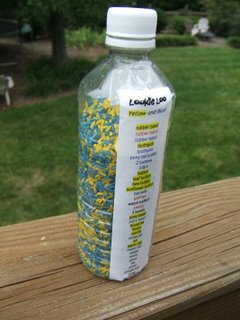
- Lookie Loos: I could totally see our boys loving these. We saw one at a specialty toy store once (for a mere $30...) that they were fascinated with. I have already dyed a bunch of rice and been collecting little items to put into theirs. Except, I am going to use a bottle that is perfectly round and has no ridges in it whatsoever, such as a "Smartwater" bottle.


- hair bows/clips: I think our daughters would love to get matching "pretties", although I yet have to find a website with simple instructions.

Once you get thinking, it's hard to stop. My biggest constraint is time, and I will have to make a point to work on these projects a little bit each day.

Many thanks to Lily of the Valley for her great post on gift ideas. I greatly appreciate and welcome any suggestions or links to other gift ideas you may want to leave in the comments below!

Wednesday, September 30, 2009

How to book hotels inexpensively

We book hotel rooms with Priceline on a weekly basis for my husband's business. We also use priceline for all of our family's personal travels. We have stayed in resorts that cost several hundred dollars per night for about $60, or at exclusive hotels along the California coast for a fraction of the price that we would have been given at the door. For vacations where we stay in the same place for several days, I like to get an extended stay hotel with a kitchen in the room, which cost about $25-$30 per night.

Whenever somebody asks how we get such great deals on hotel rooms, I recommend them priceline, but more often than not, they later tell me that they could not figure out how to do it right.

Priceline
has two different offers for hotel rooms: a) Pick a room at one of the hotels they offer and book it at their price. This is more expensive, and really no different from any other travel site. If we ever need to do this for some reason, we prefer travelocity.com OR b) Chose "Name your own price". You will not be told which hotel you are staying at, you simply chose the area you want, how many stars, and what you are willing to pay. Priceline then either accepts your offer and gives you the info on your hotel, or rejects your offer, in which case you have to change your search or wait until the next day to try again.

This concept does take some getting used to, but with as much as my husband travels, we know exactly what the best deals are where, and what the minimum price is that will get accepted. The star levels really do not say much about how nice the hotels are, as they are almost always major chains, just how many extras that particular hotel offers (e.g. room service, shuttle, etc.). For example, the Extended Stay America hotels are rated as 1-star, and they really are far from being the bottom-shelf, worst hotels out there.

So here is a step-by-step explanation.

1) Go to priceline.com, and click on "Name your own price". IMPORTANT: If you just go the "Hotels" tab, you are picking and booking a certain hotel at a certain price, which is not nearly as good of a deal.


2) This little window will pop up, where you enter the approximate vicinity of where you are staying and when. You can book rooms for the same night until 8 PM Pacific Time. For demonstration purposes, I am going to enter "Indian Wells, CA" where we stay frequently.


3) The next screen shows the various areas that are available in the particular city you are looking at. For Indian Wells, there are only 3 areas. Major cities such as Phoenix can have a dozen or more areas, so it's not like you will end up at a hotel across town even though you are not picking a particular hotel.


4) Here is a close-up shot of the same screen as above. You will notice that area 3 has a "Best deal" symbol by it, meaning that this area will offer you the nicest hotels for the lowest price. If this is an area you can stay in, it would be your best option to chose.

This is another close-up of the same screen, showing that the resorts are the best deal. So even without being able to chose a certain hotel, you now know that your best option will be to chose "Resorts" in area 3.

5) At the bottom of this same screen, you then enter your price and information. When you hit "enter", you need to confirm that you understand the offer is non-refundable and non-transferable. We also always opt-out of travel insurance. After that, priceline will tell you whether or not your offer was accepted.

In my example of Indian Wells, there are several different resorts that can be booked at $55-60 per night, even though per priceline the median retail price for resorts in that area is $199 (you can see that info in the box next to where you enter your price; see above image).

Resorts are great for families with lots of children because they usually offer huge rooms, sometimes even two-room suites, with 2 queen-size beds, a queen-size sleeper sofa, and playpens on request. Booking through priceline only guarantees one king-size bed, but hotels are almost always happy to substitute a room with two queen/double beds instead at no extra charge. As another rule of thumb, the nicer the hotel is, the nicer the staff will be, and they are not likely to complain about there being too many people in the same room.

That's it. Not nearly as complicated as it may seem. Please let me know if you tried this after reading about it here.